
- Display: 27 inch 16:9 1500:1 CR IPS 2K QHD 256-x1440 100Hz Monitor, 99% sRGB 350nits brightness for vibrant colors, Ultr…
- 100Hz Refresh Rate and 5 ms Response Time: Enjoy smooth and fluid visuals with our monitor’s lightning-fast 100Hz refres…
- Professional 99% sRGB Color Gamut: Experience vivid and lifelike colors with our monitor’s 99% sRGB color gamut, ensurin…
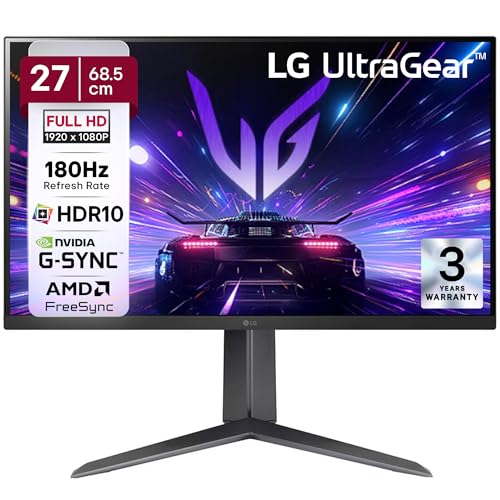
- Display: UltraGear 27-inch (68.5 cm), IPS panel (1920×1080), 16:9 aspect ratio, With brightness levels of 300 cd/m²(typi…
- 180Hz Refresh Rate & 1ms Response Time: The monitor runs at a 180Hz refresh rate, paired with a 1ms response time (GtG a…
- HDR10 & HDR Effect: HDR10 support for enhanced contrast and brightness, HDR Effect mode for vivid, lifelike visuals. The…

- 💥Full HD💥21.5 Inch Full HD 1920 x 1080 Resolution VA Panel Monitor I 250 Nits Brightness I 178 / 178 Degree View Angle I…
- 💥1 MS💥 VRB Respose time helps Reduces Ghost & smearing effect also Elimination blur on fast moving object I 💥100 Hz💥 Ref…
- 💥Connectivity💥 Options Includes : 1 X VGA 1 X HDMI Ports with Inbox HDMI Cable I -5 to 20 degree tilted angle for the co…
Understanding Your Needs: What to Look for in a Budget Monitor
When considering a budget monitor, several essential features and specifications must be evaluated to ensure the monitor meets your needs. One of the first aspects to assess is screen size. Monitors typically range from 21 to 32 inches, and the ideal size largely depends on your workspace and intended use. For instance, gamers may prefer larger screens that enhance immersion, while casual users might find a smaller size more compatible with their setup.
Next, resolution plays a pivotal role in the overall viewing experience. Full HD (1920 x 1080) remains the standard for affordable monitors, but new technology has introduced 1440p (QHD) and even 4K displays into budget options. The resolution affects how crisp and clear images appear, especially when performing detailed tasks like graphic design or video editing. Additionally, refresh rate is significant, particularly for gamers. A standard 60Hz should suffice for general use, but monitors with 120Hz or 144Hz refresh rates can provide a smoother experience in fast-paced games.
Another critical consideration is the panel type. IPS (In-Plane Switching) panels are known for offering better color reproduction and wider viewing angles compared to TN (Twisted Nematic) panels, which are typically faster but sacrifice color quality. VA (Vertical Alignment) panels provide excellent contrast ratios, making them suitable for watching movies. The right panel type will depend on your primary activities—whether you prioritize gaming, office work, or multimedia consumption.
Connectivity options are also vital; ensure the monitor has the appropriate ports for your devices, such as HDMI, DisplayPort, or USB-C. Finally, ergonomic features like adjustable stands or VESA compatibility can significantly enhance comfort and usability in a multitasking environment. By carefully evaluating these elements, you can choose a budget monitor that aligns with your usage requirements, ensuring a satisfying balance between performance and affordability.
Top Budget Monitors of 2023: Our Recommendations
As we explore the best budget monitors of 2023, it is essential to consider varied user needs, ranging from casual browsing to gaming and professional tasks. Our curated list presents monitors that offer exceptional value, competitive specifications, and a reputation for quality.
One of the top recommendations is the LG 24MP59G-P. This 24-inch Full HD monitor features IPS technology, providing vibrant colors and wide viewing angles. It includes a 75 Hz refresh rate, making it a great budget option for casual gamers. Pros include its excellent color accuracy and sleek design, though its limited adjustability could be a drawback for some users.
Next on our list is the Acer R240HY. With its stunning frameless design, this 24-inch monitor boasts a Full HD IPS panel with a 60 Hz refresh rate. The R240HY stands out due to its impressive visual performance and affordability. Users appreciate its solid build quality, although it lacks built-in speakers and height adjustment features.
The Samsung CF390 is also worth mentioning. This 24-inch curved monitor enhances immersion for gaming and productivity with its 1800R curvature. It provides excellent color reproduction and features a variety of connectivity options. However, some users have noted that the glare on the glossy screen can be an issue in bright environments.
Lastly, we cannot overlook the BenQ GW2480. This monitor offers a 24-inch IPS display with a resolution of 1920 x 1080. Its unique eye-care technology is designed to reduce eye strain, making it suitable for long hours of use. While some reviews have criticized the brightness levels, many users find it to be an excellent choice for office work and multimedia use.
In summary, the monitors highlighted above demonstrate commendable performance, aesthetics, and user satisfaction at an accessible price point. Each model addresses specific needs, ensuring that there is a suitable option available for a range of applications in the budget segment.
Tips for Setting Up and Optimizing Your Budget Monitor
Once you have selected the best budget monitor that suits your needs, proper setup and optimization are crucial to fully leverage its capabilities. The initial step involves adjusting the display settings, which include brightness, contrast, and color calibration. Many budget monitors may not come with factory settings tailored to every individual’s preferences; thus, spending a few minutes to fine-tune these parameters can significantly improve your viewing experience. Utilize the monitor’s onboard menu to access these settings and aim for a balanced color tone that is neither too warm nor too cool.
Another vital aspect is the physical placement of the monitor. Ideally, the top of your monitor’s screen should be at or slightly below eye level, allowing for a comfortable line of sight. This position helps mitigate the strain commonly associated with long hours of computer use. Alongside adjusting the height, consider the distance from your eyes to the screen, which should typically be between 20-30 inches. This setup not only enhances comfort but also contributes to a more immersive viewing experience.
Connecting your budget monitor to various devices is also an important consideration. Ensure you use the appropriate cables (HDMI, DisplayPort, etc.) for optimal quality. Furthermore, keeping drivers up to date can make a significant difference. Manufacturers often release software updates that improve functionality or introduce new features. Look for any calibration tools or software provided by the monitor brand, as these can assist in achieving the most accurate display settings.
Finally, consider using third-party calibration tools, which offer further options to adjust color accuracy and brightness levels. These tools can help ensure your budget monitor displays images true to life, enhancing activities such as photo editing and gaming. By following these tips, you can maximize your budget monitor’s potential, ensuring that it meets your requirements effectively.
Common Issues and Troubleshooting for Budget Monitors
Budget monitors, while offering an economical solution for various computing needs, can sometimes present issues that may affect their performance. Understanding common problems and how to address them is crucial for maximizing the life and efficiency of these devices. One prevalent issue is screen flickering, which can be attributed to several factors, including refresh rate settings and poor cable connections. Users should first verify that the monitor’s refresh rate is set appropriately through the display settings of their operating system, adjusting it as needed to match the monitor’s specifications. Additionally, inspecting and securely connecting the video cables can often resolve this issue.
Another frequent concern is connectivity problems, particularly with budget monitors that may not support all types of connection ports. Ensuring that the correct cable is used, such as HDMI, DisplayPort, or VGA, is essential, as some monitors may not function well with certain cable types. Furthermore, testing the monitor with a different device can help pinpoint whether the issue lies with the monitor itself or the original source device. This approach will help users identify and rectify connectivity shortcomings efficiently.
Color accuracy discrepancies are also noteworthy and can be particularly disappointing for users relying on their monitors for visual work. Various factors, such as factory calibration settings and inadequate video drivers, can lead to less-than-ideal color representation. To improve color accuracy, users should consider adjusting settings through the monitor’s on-screen display menu. Additionally, installing the latest graphics drivers can significantly impact visual performance, ensuring that the monitor receives optimal graphics signals from the computer.
Maintenance is an often-overlooked aspect of monitor longevity. Regularly cleaning the screen and ensuring that the monitor is free from dust buildup will not only enhance its appearance but also improve its operation. By following these troubleshooting techniques and maintenance tips, users can effectively resolve common issues associated with budget monitors and maintain optimal performance over time.